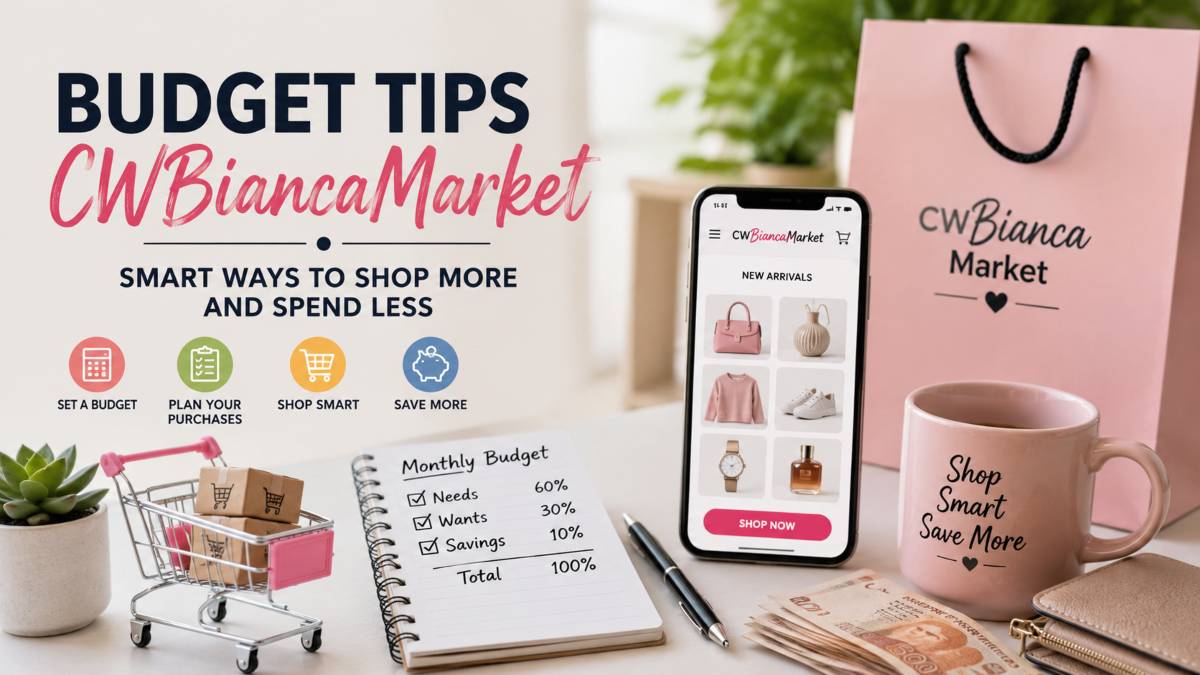
Budget tips CWBiancaMarket searches have grown fast as more people look for affordable ways to enjoy online shopping without draining their wallets. From trendy home decor to low cost lifestyle finds, CWBiancaMarket style content attracts shoppers who love stylish products at cheaper prices. The problem is that small purchases can pile up quickly when social media feeds are packed with flash deals and tempting product videos.
That is why many shoppers now want practical budget hacks and money saving tips that still let them enjoy the fun side of online shopping. Instead of cutting out every extra purchase, smarter spending habits help create balance. A simple budget plan can stop impulse buying, reduce wasted spending, and make shopping feel more intentional.
CWBiancaMarket culture is built around finding affordable items that look good without costing a fortune. Still, even budget friendly products can hurt your finances if every scroll leads to another checkout page. Learning how to track spending, set shopping limits, and avoid emotional purchases can make a huge difference over time.
This guide covers realistic ways to shop smarter, control unnecessary spending, and enjoy CWBiancaMarket deals without losing control of your monthly budget.
What Does “Budget Tips CWBiancaMarket” Mean?
The phrase budget tips CWBiancaMarket is commonly searched by people who want stylish products and affordable lifestyle finds without spending carelessly. It usually connects to social media driven shopping trends where users discover budget friendly decor, kitchen tools, fashion accessories, and home essentials through short videos, curated posts, and online recommendations.
Many shoppers are drawn to this style of content because it makes low cost products feel exciting and accessible. Instead of luxury shopping, the focus stays on finding useful or trendy items at prices that appear manageable. That is where cwbiancamarket budget hacks become important. People are not only searching for products. They also want smarter ways to control spending while still enjoying online shopping.
Affordable shopping tips linked to CWBiancaMarket often combine basic budgeting methods with practical shopping habits. This can include setting monthly spending limits, creating shopping wishlists, waiting before checking out, and avoiding unnecessary duplicate purchases. The goal is to enjoy affordable shopping without falling into constant impulse buying.
Why CWBiancaMarket Appeals to Budget Conscious Shoppers
CWBiancaMarket style shopping appeals to people who enjoy discovering products that look useful, aesthetic, or trendy without carrying premium price tags. Many younger shoppers, students, and families prefer this approach because it feels more realistic for everyday budgets. Cheap finds, discount offers, and visually satisfying product videos create the feeling of getting more value for less money.
The Link Between Social Media Shopping and Overspending
Social media plays a huge role in pushing fast shopping decisions. Platforms like Instagram and TikTok constantly show limited deals, product hauls, and viral recommendations that create urgency. Shoppers often buy things they never planned to purchase simply because the content makes the item feel essential or time sensitive. Over time, these small purchases can quietly damage a monthly budget if spending habits are not controlled carefully.
Start With a Clear Monthly Budget
Creating a clear monthly shopping budget is one of the easiest ways to control spending without giving up the fun side of online shopping. Many people underestimate how quickly small purchases add up. A few low cost items here, a flash sale there, and suddenly a large part of the monthly income disappears without notice.
That is why budgeting for lifestyle shopping matters. It gives you a realistic limit while still allowing room for entertainment, decor, beauty products, or trendy finds from CWBiancaMarket style pages. Instead of feeling restricted, you gain better control over where your money goes each month.
A monthly shopping budget also helps reduce stress. When spending decisions are already planned, there is less guilt after checkout and fewer surprises when bills arrive. The goal is not to stop shopping completely. The goal is to shop smarter and avoid wasting money on random purchases that do not add real value.
Track Every Expense for 30 Days
Before creating a budget, spend 30 days tracking every expense. Use a spending tracker through a notebook, spreadsheet, or budgeting app and write down everything you buy. This includes groceries, coffee, subscriptions, transport, online shopping, and food delivery.
Many people are surprised once they see the full picture. Spending 800 PKR here and 1,500 PKR there may not seem serious at first, but repeated purchases slowly eat into savings. Tracking expenses helps reveal habits that usually stay hidden during everyday spending.
Separate Essentials From Lifestyle Spending
The next step is dividing expenses into essentials and lifestyle spending. Essentials include rent, electricity, groceries, fuel, internet bills, and savings. Lifestyle spending includes shopping, entertainment, home decor, beauty products, and non essential online purchases.
For example, if someone earns 120,000 PKR monthly, they might reserve 20,000 PKR for lifestyle spending after all major bills are covered. This simple structure keeps spending balanced without making daily life feel boring or overly strict.
Set a Dedicated CWBiancaMarket Budget
If you shop regularly through CWBiancaMarket style marketplaces, create a dedicated budget only for those purchases. This could be a separate digital wallet, prepaid card, or fixed amount transferred into a second account every month.
For example, setting aside 5,000 PKR strictly for CWBiancaMarket shopping creates a clear limit. Once that amount is gone, shopping stops until the next month. This habit helps prevent emotional purchases and keeps online shopping from damaging long term financial goals.
Best Budgeting Methods for CWBiancaMarket Shoppers
Finding good deals feels exciting until small purchases slowly turn into a serious monthly expense. That is why choosing the right budgeting system matters for people who regularly shop through CWBiancaMarket style pages and online marketplaces. A good budget creates balance. You still enjoy affordable finds and lifestyle products, but your spending stays under control.
The best part is that you do not need complicated financial knowledge to make these methods work. Simple systems often deliver the strongest results when used consistently.
The 50/30/20 Rule Explained
The 50/30/20 budgeting rule is one of the easiest methods for beginners because it keeps spending categories simple and flexible.
Here is the basic breakdown:
- 50 percent goes to essentials like rent, groceries, transport, and utility bills
- 30 percent goes to lifestyle spending such as shopping, entertainment, and dining out
- 20 percent goes to savings, emergency funds, or debt payments
For example, if someone earns 100,000 PKR monthly:
- 50,000 PKR covers essentials
- 30,000 PKR covers lifestyle expenses
- 20,000 PKR goes into savings
This method works well for CWBiancaMarket shoppers because it allows room for fun purchases without damaging long term financial stability.
Zero Based Budgeting for Online Shoppers
Zero based budgeting gives every rupee a specific purpose before the month begins. Instead of wondering where money disappeared, every category already has a planned amount.
A simple example could look like this:
- 35,000 PKR for rent
- 15,000 PKR for groceries
- 8,000 PKR for transport
- 5,000 PKR for CWBiancaMarket shopping
- 10,000 PKR for savings
- Remaining balance assigned to bills and personal expenses
At the end of the setup, income minus expenses should equal zero because every amount already has a job assigned to it.
This method helps online shoppers avoid random spending because there is already a clear limit for shopping categories.
How the Envelope Method Stops Overspending
The envelope budgeting method works by dividing spending into separate categories with fixed limits. Traditionally people used physical cash envelopes, but many now use digital wallets or separate bank accounts.
For example:
- One envelope for groceries
- One envelope for entertainment
- One envelope for CWBiancaMarket purchases
If the shopping envelope contains 5,000 PKR, that is the total spending limit for the month. Once the amount runs out, no extra shopping is allowed.
This method creates stronger spending awareness because you physically see your available balance shrinking with every purchase.
Pay Yourself First Before Shopping
One of the smartest habits is saving money before buying anything non essential. This method is called pay yourself first.
Instead of saving whatever remains at the end of the month, move a fixed percentage into savings immediately after getting paid.
For example:
- Save 15 percent of income first
- Cover bills and essentials second
- Use the remaining amount for lifestyle spending
This approach protects your savings from emotional shopping decisions and creates better long term money habits. It also removes the pressure of trying to save whatever happens to remain after multiple online purchases.
Smart CWBiancaMarket Shopping Hacks
Finding affordable products online feels exciting, especially when social media constantly pushes trending items and limited deals. The problem is that cheap prices can create the illusion that every purchase is harmless. Over time, those small orders quietly drain your budget.
The good news is that smart shopping on CWBiancaMarket does not require extreme restrictions. Small habit changes can help you enjoy online shopping while keeping spending under control. These practical strategies are some of the most useful cwbiancamarket shopping tips for avoiding unnecessary purchases and building better money habits.
1. Make a Wishlist Before Browsing
One of the best money saving hacks for online shopping is creating a wishlist before opening shopping apps or scrolling through social media pages.
Instead of buying whatever catches your attention, write down items you genuinely need first.
Your wishlist could include:
- Storage organizers
- Kitchen tools
- Phone accessories
- Home decor
- Replacement items
This simple habit reduces emotional shopping because you already know what you are looking for. It also helps filter out products that only seem attractive in the moment.
2. Use the 24 Hour Rule Before Buying
Impulse purchases usually happen when emotions move faster than logic. A product looks trendy, the price feels low, and suddenly the item lands in your cart within minutes.
The 24 hour rule creates a pause before checkout.
Here is how it works:
- Add the item to your cart
- Wait at least 24 hours
- Revisit the purchase later
- Decide if you still truly want it
Many shoppers realize the excitement fades quickly after a short waiting period. This habit can save a surprising amount of money each month.
3. Compare Cart Totals With Your Budget
Individual items often look cheap on their own, but the final cart total tells a different story.
Before checking out, compare the total amount with your monthly shopping budget.
For example:
- Monthly shopping budget: 10,000 PKR
- Current cart total: 7,500 PKR
- Remaining budget for the month: only 2,500 PKR
This quick comparison helps prevent overspending early in the month and creates stronger awareness around spending patterns.
4. Avoid Buying Duplicate Items
Many people buy duplicate products without realizing it. Another organizer, another water bottle, another decorative item, or another phone stand may feel harmless at first, but repeated purchases create unnecessary clutter and wasted spending.
Before buying anything online:
- Check what you already own
- Ask if the item solves a real problem
- Decide whether it replaces something old or simply adds more clutter
This habit keeps shopping intentional instead of emotional.
5. Shop During Discounts and Limited Sales Carefully
Sales can help save money, but they can also trigger unnecessary spending. Social media marketing often creates pressure through countdown timers, flash deals, and phrases that make shoppers feel they might miss out.
Instead of reacting instantly:
- Compare prices first
- Check whether the product was already on your wishlist
- Avoid buying items only because they appear discounted
- Set a maximum spending limit before browsing sales
A discount only saves money when the purchase was already necessary.
6. Use Separate Wallets or Virtual Shopping Funds
One of the strongest cwbiancamarket shopping tips is separating shopping money from your main account.
This can be done through:
- A prepaid card
- A digital wallet
- A secondary bank account
- A fixed monthly cash withdrawal
For example, if your CWBiancaMarket budget is 5,000 PKR monthly, transfer only that amount into your shopping wallet. Once the balance reaches zero, shopping stops automatically.
This system creates discipline without making budgeting feel stressful or complicated.
How Social Media Triggers Impulse Spending
Social media has changed the way people shop. A few minutes of scrolling can quickly turn into multiple purchases, especially when platforms constantly push trendy products, flash sales, and influencer recommendations. Many shoppers do not plan to buy anything at first, but repeated exposure creates strong shopping triggers that slowly influence spending decisions.
CWBiancaMarket style content works because it feels casual, affordable, and visually satisfying. Products are often presented as cheap must have items that improve daily life. The problem is that small purchases repeated every week can quietly damage a monthly budget.
Learning simple impulse buying control tips can help create healthier social media spending habits without completely avoiding online shopping.
Why “Limited Time Deals” Push Fast Decisions
Limited time offers are designed to create urgency. Countdown timers, low stock warnings, and phrases like “only today” pressure shoppers into making quick decisions before fully thinking about the purchase.
This creates emotional spending instead of intentional spending.
Many people buy products because they fear missing out rather than because they truly need the item. A useful habit is pausing for a few minutes before checking out and asking simple questions:
- Do I actually need this?
- Would I still buy it tomorrow?
- Does this fit my monthly shopping budget?
That short pause often prevents unnecessary spending.
Accounts You Should Mute During Budget Months
Some social media accounts constantly encourage impulse shopping through daily product links, discount codes, and shopping hauls. During strict budget periods, muting or unfollowing these pages can reduce temptation significantly.
This does not mean removing all entertainment from your feed. It simply helps create distance from content that encourages constant spending. Replacing shopping focused content with productivity, fitness, or personal finance pages can also improve spending habits over time.
Better Rewards Than Stress Shopping
Many people shop online after stressful days because buying something new creates temporary excitement. The feeling usually fades quickly, but the spending remains.
Instead of using shopping as a reward, try lower cost alternatives such as:
- Watching a movie at home
- Cooking a favorite meal
- Spending time with friends
- Reading or gaming
- Taking a short break from social media
These habits still provide comfort and relaxation without adding unnecessary pressure to your finances.
Budget Friendly Habits That Work Long Term
Building better financial habits is not about being perfect every month. The real goal is consistency. Small improvements repeated over time usually create stronger results than extreme budgeting that only lasts a few weeks. That is why long term success depends on practical routines that feel realistic in everyday life.
Strong frugal shopping habits help reduce waste, improve spending awareness, and make online shopping feel more intentional. Instead of chasing every trend or flash sale, you begin focusing on purchases that genuinely improve your daily routine.
An effective online shopping budget plan should feel sustainable rather than restrictive. The easier your system feels to maintain, the more likely you are to stick with it for months instead of quitting after a short period.
Create Monthly Spending Challenges
Monthly spending challenges are a simple way to build stronger discipline without making budgeting feel boring.
You can try challenges like:
- No unnecessary shopping for 30 days
- Buying only replacement items
- Limiting online shopping to one purchase weekly
- Staying under a fixed monthly shopping amount
These challenges create awareness around emotional spending patterns and help break impulsive shopping routines. Even small challenges can improve smart spending habits over time.
Review Purchases Every Month
At the end of each month, spend a few minutes reviewing everything you bought online. Look through order history, bank statements, or shopping apps and ask yourself whether those purchases were actually useful.
Some items may still feel valuable weeks later, while others probably lost their excitement quickly after delivery.
This habit helps identify patterns such as:
- Stress shopping
- Duplicate purchases
- Buying things because of discounts
- Spending influenced by social media trends
Regular reviews make future spending decisions much smarter.
Learn the Difference Between Cheap and Useful
Low prices do not always mean good value. Many shoppers fall into the trap of buying products simply because they seem affordable at the moment.
Before purchasing anything, ask yourself:
- Will I actually use this often?
- Does it solve a real problem?
- Would I still want it without the discount?
A useful product bought once is usually better than multiple cheap items that sit unused. Learning this difference helps create healthier shopping habits and prevents clutter from building up over time.
Common Budget Mistakes CWBiancaMarket Shoppers Make
Even careful shoppers make financial mistakes sometimes, especially when online deals and social media promotions appear constantly throughout the day. The problem is that many overspending habits feel harmless in the moment. A small order here or a discounted product there may not seem serious at first, but repeated spending patterns slowly create pressure on your monthly budget.
Understanding these common online shopping mistakes can help you avoid unnecessary spending and build healthier financial routines over time.
Treating Small Purchases as “Harmless”
One of the biggest budgeting errors is assuming cheap items do not matter because the prices look small individually. Spending 500 PKR or 1,000 PKR occasionally may feel insignificant, but multiple small purchases throughout the month often add up to a surprisingly large amount.
This is especially common with CWBiancaMarket style shopping where products are marketed as affordable everyday finds. The low prices create a false sense of safety, making it easier to justify impulse purchases without thinking about the total monthly cost.
A simple habit that helps is checking your combined shopping total every week instead of focusing only on individual item prices.
Shopping Out of Boredom
Many people shop online when they feel bored, stressed, or mentally tired. Social media makes this even easier because shopping links are always available during casual scrolling sessions.
The issue is that emotional shopping usually provides temporary excitement rather than long term satisfaction. Once the delivery arrives, the excitement fades quickly, but the money is already gone.
Replacing boredom shopping with other activities like exercise, gaming, reading, or spending time offline can reduce unnecessary purchases significantly.
Ignoring Delivery and Hidden Costs
Another common mistake is forgetting about extra charges during checkout. Delivery fees, taxes, platform charges, and impulse add on items can quietly increase the final total far beyond the original product price.
A product that looks extremely cheap at first may become much more expensive after all additional costs are included. Always review the complete checkout amount before placing an order. This small step helps prevent surprise spending and keeps your budget more accurate each month.
Final Thoughts
Following practical budget tips CWBiancaMarket shoppers can actually use is less about cutting out every fun purchase and more about building stronger daily habits. Online shopping becomes much easier to manage once you understand your spending patterns, set realistic limits, and stop reacting to every social media deal that appears on your screen.
Smart shopping habits do not happen overnight. They grow through small decisions repeated consistently each month. Tracking expenses, using a shopping budget, waiting before purchases, and avoiding emotional spending may seem simple, but these habits create real financial stability over time.
CWBiancaMarket style shopping can still be enjoyable without turning into constant overspending. The key is staying intentional. Buying fewer but more useful products usually feels far more satisfying than filling carts with random items that lose their appeal days later.
A realistic budget should support your lifestyle, not control it. When your shopping habits match your financial goals, spending feels less stressful and much more rewarding.