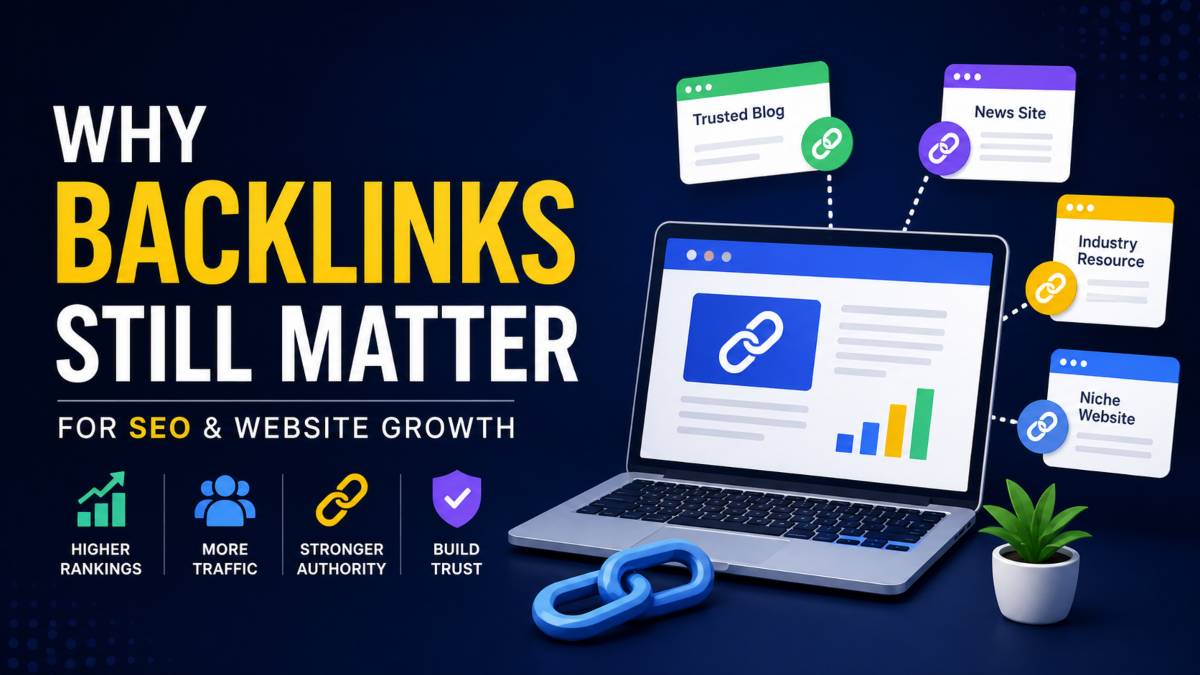
Backlinks are links from other websites that point to your site. In simple terms, they act like recommendations. When another site links to your content, it tells search engines that your page is useful and worth showing to more people.
These links play a key role in helping your website grow. First, they can improve your search rankings. When your pages appear higher in search results, more people can find you. This leads to an increase in organic traffic, which can grow steadily over time.
Backlinks also bring direct visitors. If someone clicks a link to your site from another website, you gain referral traffic. These visitors are often interested in your topic, which makes them more likely to stay and explore.
Another benefit is trust. When your website is linked by reliable and relevant sources, it builds credibility. Search engines and users both see your site as more dependable.
In short, backlinks support growth by improving visibility, bringing in traffic, and building trust at the same time.
What Are Backlinks in SEO?
Simple Definition of Backlinks
Backlinks are links from one website to another. When a website links to your page, it is like giving you a vote of confidence. It tells both users and search engines that your content is useful and worth checking out.
You can think of backlinks as recommendations. If many trusted websites point to your content, it sends a strong message that your site has value. Just like people trust a product more when others recommend it, search engines trust pages that earn links from good sources.
How Search Engines Use Backlinks
Search engines use backlinks to understand which pages deserve attention. When your website gets links from relevant and reliable sites, it shows that your content matches what people are looking for.
Each backlink acts as a signal. The more strong signals your page has, the better its chances of showing up higher in search results. But it is not just about numbers. Links from trusted websites carry more weight than links from unknown or low quality pages.
Backlinks also help search engines find your content faster. When a page links to you, it creates a path that search engines can follow. This makes it easier for your pages to be discovered and ranked.
In simple terms, backlinks help search engines decide which content deserves to be seen first.
Why Backlinks Matter for Website Growth
Backlinks Improve Search Rankings
Backlinks help your pages move up in search results. When search engines see that other websites link to your content, they take it as a strong signal that your page is worth showing to users. The more trusted and relevant those sites are, the stronger that signal becomes.
Higher rankings mean better visibility. When your page appears near the top, more people see it. This is even more important for competitive keywords where many websites are trying to rank. Backlinks can give you the edge needed to stand out.
Backlinks Increase Organic Traffic
As your rankings improve, your organic traffic grows. More visibility leads to more clicks, and more clicks bring more visitors to your site. This growth does not stop at one point. It builds over time.
When your content keeps gaining backlinks, your pages can hold strong positions in search results. This creates a steady flow of traffic that can continue for months or even years.
Backlinks Drive Referral Traffic
Backlinks do more than help with search engines. They also bring direct visitors from other websites. When someone reads an article and clicks a link to your page, they arrive as referral traffic.
These visitors are often interested in your topic because they came from related content. This makes them more likely to stay on your site, read more, and take action.
Backlinks Build Trust and Authority
Backlinks also shape how people see your website. When well known and trusted sites link to you, it sends a strong message that your content is reliable.
This builds trust with both users and search engines. Over time, your website becomes a go to source in your niche. That trust can lead to more clicks, more shares, and even more backlinks, creating a cycle of steady growth.
How Backlinks Work Behind the Scenes
Backlinks as Ranking Signals
Backlinks act as signals that help search engines judge your content. Each link carries three key elements: authority, relevance, and context. Authority comes from the strength of the website linking to you. A link from a trusted site holds more weight than one from a weak source.
Relevance matters just as much. If a website in your niche links to your page, it tells search engines that your content fits the topic. Context adds another layer. The words around the link help search engines understand what your page is about. Together, these signals guide how your page is ranked.
How Search Engines Discover Pages
Search engines find new pages by following links. When one page links to another, it creates a path that search engines can crawl. This is how your content gets discovered.
If your page has no links pointing to it, it can be harder for search engines to find it. Backlinks make this process faster. They help your pages get indexed sooner, which means they can start appearing in search results without delay.
The Compounding Effect of Backlinks
Backlinks do not just bring one time benefits. They build momentum. When your page earns more links, its rankings improve. Better rankings bring more traffic. As more people visit your content, some may link to it as well.
This creates a cycle where growth feeds on itself. More links lead to more visibility, and more visibility leads to even more links. Over time, this effect can turn a single strong page into a steady source of traffic and authority for your website.
Quality vs Quantity of Backlinks
What Makes a High Quality Backlink
Not all backlinks carry the same weight. A high quality backlink comes from a website that is trusted and closely related to your topic. When a relevant site links to your content, it sends a clear signal that your page fits the subject and offers value.
Authority also plays a big role. Links from well known and reliable websites have more impact than links from small or unknown sources. Search engines place more trust in these links because they come from established pages.
Placement matters too. A link placed naturally within useful content is far more powerful than one placed randomly. When a link appears as part of a helpful article, it feels genuine and adds context to your page.
Risks of Low Quality Links
Low quality backlinks can do more harm than good. Links from spammy websites or pages filled with poor content can send negative signals to search engines. Instead of helping your rankings, they may weaken your site’s credibility.
Irrelevant links are another issue. If your website is about fitness but gets links from unrelated topics like finance or gaming, it creates confusion. Search engines may struggle to understand your content, which can affect your rankings.
In some cases, too many weak links can lead to ranking drops. This is why chasing large numbers without thinking about quality can backfire.
Why Relevance Matters More Than Volume
It is better to have a few strong and relevant backlinks than many weak ones. Links from websites in your niche carry more meaning because they connect directly to your topic.
When your backlinks come from related sources, they build your authority within that space. This helps search engines trust your content more. Over time, this trust leads to better rankings and steady growth.
In simple terms, focused and relevant links create stronger results than random links in large numbers.
Types of Backlinks You Should Know
DoFollow vs NoFollow Links
Backlinks come in two main types: dofollow and nofollow. Dofollow links pass value to your website and can help improve your search rankings. These are the links search engines use to measure authority and trust.
Nofollow links do not pass the same value, but they still matter. They can bring traffic and help your site get noticed. A healthy backlink profile often includes both types, as it looks more natural and balanced.
Editorial Backlinks
Editorial backlinks are earned when other websites link to your content because they find it useful. These links usually appear within articles, guides, or blog posts.
They are considered some of the strongest backlinks because they come naturally. When your content answers questions or offers clear value, other sites are more likely to link to it without being asked.
Guest Post Backlinks
Guest post backlinks come from writing content for other websites in your niche. In return, you get a link back to your site.
This method allows you to reach a new audience while building backlinks at the same time. When done on relevant and trusted websites, guest posting can support both traffic growth and search rankings.
Directory and Profile Links
Directory and profile links come from listing your website on directories or creating profiles on different platforms. These links are easier to get but usually carry less weight.
Even though their impact is lower, they can still support your overall link profile. They help search engines find your site and add diversity to your backlinks.
How to Build Backlinks That Help Your Website Grow
Create Content Worth Linking To
Strong backlinks start with strong content. If your page offers real value, other websites will want to link to it. Focus on creating helpful guides, simple tutorials, or content backed by clear data. Unique insights also work well because they give people something fresh to share.
When your content answers real questions or solves a problem, it becomes easier for others to reference it. Over time, this can bring in natural links without constant effort.
Guest Blogging and Outreach
Guest blogging is a practical way to earn backlinks while reaching new readers. You write content for another website in your niche and include a link back to your site. This helps you build both visibility and trust.
Outreach also plays a role here. Connect with website owners, bloggers, and content creators in your field. A simple message introducing your content can open the door to link opportunities. When relationships grow, so do your chances of getting quality backlinks.
Fix Broken Links
Broken link building is another effective method. Many websites have links that no longer work because the original page was removed or changed. You can find these broken links and offer your content as a replacement.
This approach helps both sides. The website owner fixes an issue, and you gain a backlink. It works best when your content closely matches what was originally linked.
Internal Linking Strategy
Internal links connect your own pages to each other. While they are not the same as backlinks, they still support your website’s growth. They help search engines understand your site structure and guide visitors to related content.
A clear internal linking structure keeps users engaged for longer and spreads value across your pages. When combined with external backlinks, it creates a strong foundation that supports steady growth over time.
Common Backlink Mistakes to Avoid
Buying Low Quality Links
Buying cheap backlinks may seem like a quick way to grow, but it often leads to problems. Many of these links come from weak or spammy websites. Search engines can detect this pattern and may lower your rankings instead of improving them. It is better to focus on earning links through real value rather than shortcuts.
Ignoring Relevance
Not all links are helpful. If your backlinks come from websites that have nothing to do with your topic, they send mixed signals. Search engines look for connections between content. When those connections are missing, your site may lose clarity and strength in rankings.
Over Optimized Anchor Text
Anchor text is the clickable text of a link. Using the same keyword again and again can look unnatural. This can raise red flags for search engines. A better approach is to keep anchor text varied and natural so it fits smoothly within the content.
Focusing Only on Quantity
Getting a large number of backlinks might sound good, but numbers alone do not guarantee growth. A few strong and relevant links can do more for your website than many weak ones. When you focus only on quantity, you risk building a weak link profile that does not support long term results.
Avoiding these common mistakes helps you build a cleaner and stronger backlink profile that supports steady growth.
Key Takeaway: Why Backlinks Still Matter
Backlinks remain a key part of how websites grow. They help your pages rank higher, bring in steady traffic, and build trust with both users and search engines. When other websites link to your content, it sends a clear signal that your page has value.
Better rankings lead to more visibility. More visibility brings more visitors. Over time, this creates a cycle where your website continues to grow without relying only on paid promotion.
Backlinks also strengthen your reputation. When trusted and relevant sites connect to your content, your website becomes more reliable in the eyes of readers.
The real value of backlinks is not quick results. It is steady growth. With the right approach, they help your website build a strong presence that lasts over time.
Final Thoughts
Backlinks are not a trick or a shortcut. They are a signal of real value. When your content earns links from the right places, growth follows in a steady and natural way.
Focus on doing the basics well. Create useful content, connect with the right people, and stay within your niche. Over time, these small actions build a strong link profile that supports your rankings, traffic, and trust.
There is no need to rush the process. Websites that grow the right way tend to last longer and perform better. Keep your approach simple, stay consistent, and let your content do the heavy lifting.
Read More: https://coupasoftware.org/top-billing-and-revenue-automation-for-saas-companies/