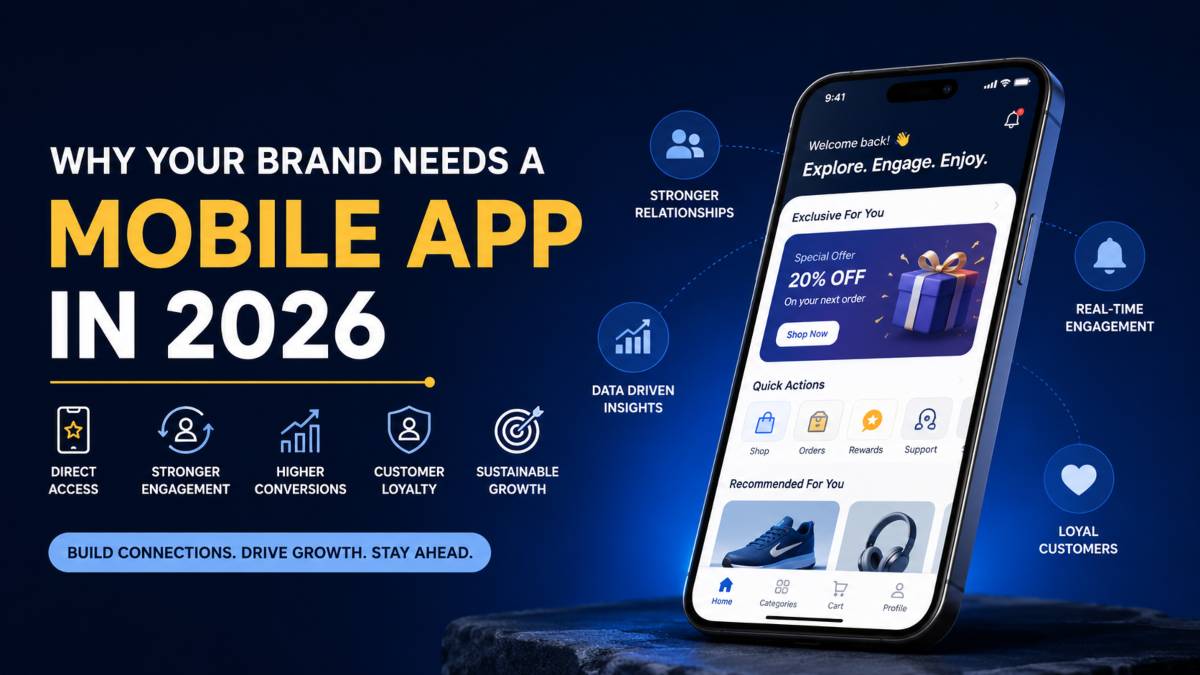
In 2026, having a website is not enough to hold attention. People move fast, switch between platforms, and expect quick access to what they need. This is where a brand mobile app changes the game.
An app is not just another digital channel. It is a direct line to your customer. It lives on their phone, ready at any moment. No search, no delay, no extra steps.
More importantly, an app keeps people coming back. It stores their preferences, remembers their actions, and makes repeat use simple. This turns one time visitors into regular users.
Brands that rely only on websites often struggle to maintain that connection. Traffic comes and goes. With an app, the relationship stays active.
In simple terms, an app moves your brand from being visited to being part of a routine. And in a space where attention is limited, that shift makes all the difference.
The Shift in Customer Behavior
Customer behavior has changed in a quiet but powerful way. People no longer sit down and browse for long periods. They check, act, and move on. These short moments add up, and brands that fit into them win attention.
This is why apps matter now. They match how people already use their phones.
From Browsing to Habit Based Engagement
Users are not looking for long sessions. They want quick access and fast results. A few seconds to check an order, place a repeat purchase, or book a service.
Apps make this easy. With saved details and simple navigation, users can act without thinking too much. Over time, this turns into a habit.
Instead of searching for your brand, they tap and return. That small shift changes how often they engage.
Why Mobile Is the Primary Channel
Mobile is where most interactions happen. It is always within reach, always active, and always part of daily life.
An app takes advantage of this. It keeps your brand visible and easy to access. No need to open a browser or type a search. The path is direct and instant.
This constant presence gives apps an edge. They fit into everyday routines, making engagement feel natural rather than forced.
Apps Give You Direct Access to Customers
Most brands fight for attention on platforms they do not control. Social feeds change. Search rankings shift. One update can cut your reach overnight.
An app changes that dynamic. It gives you a direct path to your customer without relying on third party platforms.
Escaping Platform Dependency
When your audience lives on social media or search engines, you are always competing. Algorithms decide who sees your content and when. Even loyal customers can miss your message.
With an app, that gap disappears. You are no longer waiting to be discovered. You can reach users directly when it matters.
This gives you more control over communication and timing. It reduces the risk of losing visibility due to external changes.
Always Present on the Home Screen
An app sits on the user’s phone, right in front of them. That small icon carries a lot of weight. It keeps your brand visible without needing constant promotion.
Every time a user unlocks their device, your presence is there. This builds familiarity over time. It makes your brand easier to remember and quicker to access.
When access is this simple, engagement becomes more frequent. And when engagement increases, the relationship grows stronger.
Stronger Retention and Repeat Engagement
Growth is not only about getting new users. It is about keeping the ones you already have. In 2026, retention drives real value. When users return often, they spend more, trust more, and stay longer.
Apps are built for this kind of relationship. They make it easier for people to come back without friction.
Why Retention Matters More Than Acquisition
Bringing in new users takes time and money. Ads, content, and promotions all add cost. But if those users leave after one visit, the return is low.
Retention changes the equation. When users return, the cost per action drops and the value per user increases.
Apps support this by keeping the connection active. They remove the need to search again and make access instant. Over time, this builds a steady base of repeat users who are more likely to convert.
Features That Bring Users Back
Apps include tools that make repeat engagement simple. Push notifications can remind users at the right moment. Saved data means they do not need to enter details again. Quick access allows them to act in seconds.
These small features add up. They reduce effort and make each visit easier than the last.
When returning feels effortless, it becomes a habit. And once a habit forms, engagement follows naturally.
Faster Conversions and Smoother User Experience
Speed shapes decisions. When the path to purchase feels slow or confusing, people leave. When it feels quick and clear, they move forward. Apps are built to remove friction at every step.
This is where they make a clear difference compared to websites.
Stored Preferences and Payment Details
Apps remember what matters. Login details, saved addresses, and payment methods are already in place.
This removes extra steps. Users do not need to fill out forms again or repeat the same actions. They can move from interest to purchase in seconds.
The process feels smooth because the work is already done. This kind of convenience makes repeat actions easier and more likely.
Reducing Drop Off in the Customer Journey
Every extra step creates a chance for users to leave. Long forms, slow pages, and unclear paths all increase drop off.
Apps reduce these points of friction. Navigation is simple, actions are direct, and the flow is designed for quick decisions.
Users can find what they need, take action, and complete the process without interruption.
When the journey feels clear and fast, fewer people leave before finishing. And when more people complete their actions, conversions increase naturally.
Personalization Powered by First Party Data
In 2026, data is no longer about tracking users across platforms. It is about understanding them within your own space. This is where first party data becomes valuable. It comes directly from how users interact with your app, giving a clearer and more reliable picture of their behavior.
Apps make this possible because they sit at the center of the user experience. Every tap, search, and action helps build a better understanding of what the user wants.
Why First Party Data Matters in 2026
Privacy changes have reduced the use of third party tracking. This means brands can no longer rely on outside data to guide decisions.
First party data solves this problem. It is collected directly from users who choose to interact with your app. This makes it more accurate and easier to trust.
With this data, brands can understand patterns such as what users browse, how often they return, and what they prefer. This creates a stronger foundation for decision making.
Creating Tailored User Experiences
Once you understand the user, the experience can change to match them. Content can adjust based on past actions. Offers can reflect real interests. Product suggestions can become more relevant.
Instead of showing the same thing to everyone, the app creates a different experience for each user.
This makes the interaction feel more personal. Users see what matters to them without searching for it.
When experiences feel relevant, users stay longer, engage more, and return more often.
Loyalty, Notifications, and Engagement Loops
Attention is not won once. It is built over time through small, consistent interactions. Apps make this possible by creating simple loops that bring users back again and again.
The goal is not to interrupt. It is to remind, reward, and reconnect at the right moment.
Using Push Notifications the Right Way
Push notifications can either build engagement or break it. The difference comes down to timing and relevance.
A well timed message feels useful. It might remind a user about something they left behind or alert them to something they care about.
Too many messages, or messages that feel random, push users away. But when notifications match real behavior, they feel natural.
The key is to send less, but make each message matter.
Building Loyalty Through Rewards and Access
Loyalty grows when users feel valued. Apps make it easy to offer rewards such as points, special offers, or early access.
These small benefits give users a reason to return. Over time, they create a pattern of repeat engagement.
Exclusive features can also strengthen this connection. When users get something inside the app that they cannot get elsewhere, it adds value to staying connected.
When rewards and access are tied to behavior, they reinforce habits. And once those habits form, engagement becomes part of the routine.
Competitive Advantage in a Crowded Market
Standing out is harder than ever. Many brands offer similar products, similar pricing, and similar messaging. When everything looks the same, attention becomes the real battle.
This is where a brand mobile app creates an edge. It changes how customers experience your business.
Why Apps Are Becoming Standard
More brands are moving toward apps because customer expectations have changed. Users want fast access, saved preferences, and simple repeat actions.
As this becomes normal, not having an app starts to feel like a gap. Customers may choose a competitor simply because their experience is easier.
What once felt like an extra feature is now part of the baseline for many industries, especially in commerce, services, and membership based models.
Features That Set Brands Apart
While many brands may have apps, the real advantage comes from how they use them.
Exclusive offers inside the app can give users a reason to return. Personalized experiences can make each visit feel relevant. Faster access to services or products can reduce effort and save time.
These features create a stronger connection between the brand and the user.
When the experience feels better, users notice. And when they notice, they are more likely to choose your brand over others.
Key Takeaway: Your App Is Your Growth Engine
A mobile app is no longer just another channel. It becomes the place where your brand lives day to day. It holds your customer data, drives repeat actions, and keeps your brand within easy reach.
From Channel to Core Business Asset
When an app works well, it moves to the center of your business. It connects marketing, sales, and customer experience in one place.
Users return faster, complete actions with less effort, and engage more often. Over time, the app becomes the main way they interact with your brand.
Why Brands That Delay Fall Behind
Brands that wait risk losing attention. Competitors with apps make it easier for users to return, while others rely on slower paths.
As habits form around convenience, users stick with what feels easier.
Without an app, it becomes harder to keep users engaged and loyal. And once that gap grows, it is difficult to close.
Conclusion
In 2026, attention is short and habits matter more than reach. A brand that lives on a phone has an advantage that a website alone cannot match. It is closer, faster, and easier to return to.
An app brings everything together. Direct access, smoother journeys, better data, and stronger loyalty. Each piece works toward one goal, keeping the relationship active.
The real shift is simple. Brands are no longer competing only on products. They compete on how easy it is to return and act.
An app makes that return natural. It removes steps, saves time, and keeps your brand within reach.
Those who build that connection early stay in the routine. Those who delay have to fight harder to be remembered.