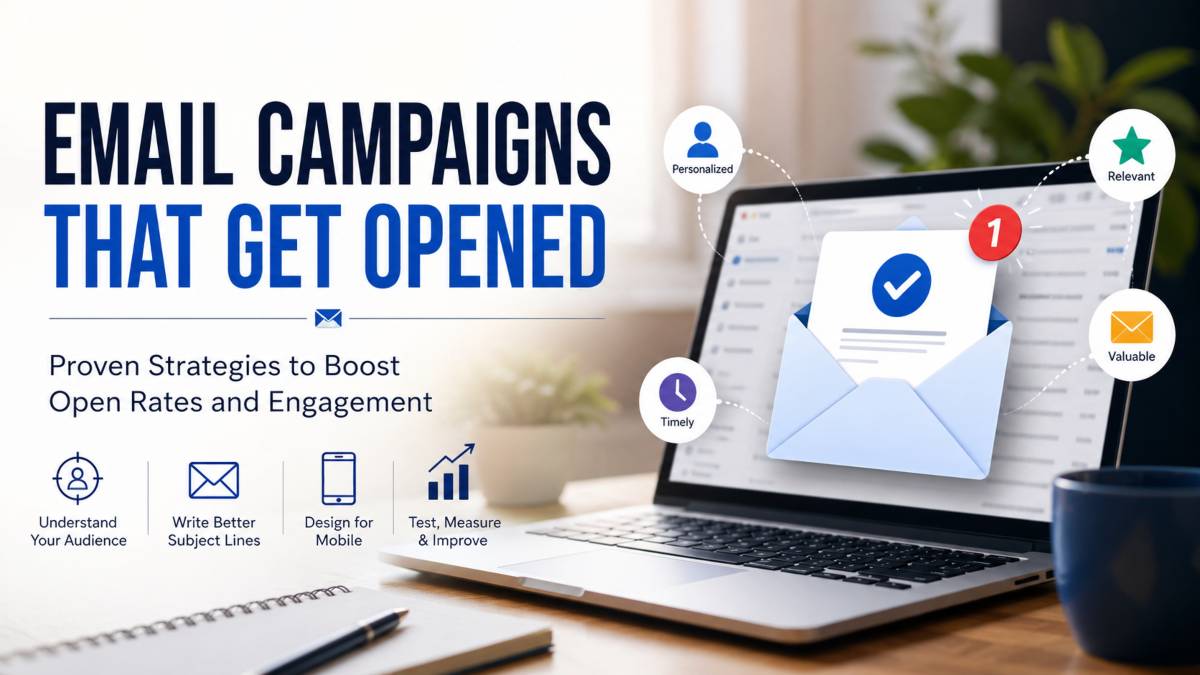
Most email campaigns fail for one simple reason. They ask for attention without offering anything worth opening. People do not open emails out of habit. They open them when something feels useful, timely, or meant for them.
The shift is subtle but powerful. Stop thinking of email as a way to push offers. Start treating it as a way to deliver value. Each message should feel like a small promise. Something the reader is glad they clicked.
This begins with relevance. The subject line should speak to a real need or curiosity. The first lines should confirm that opening the email was the right choice. When both match the reader’s situation, trust builds quickly.
Useful emails get opened. Not because they shout louder, but because they feel right. They respect the reader’s time and offer something clear in return.
Start with Clear Goals and a Defined Audience
Before writing a subject line or designing a layout, step back and ask a simple question. What is this email meant to do. Without a clear answer, even well written emails can miss the mark. Direction shapes everything that follows.
Strong email campaigns begin with intent. Each message should have one purpose and one path forward. When that purpose is clear, the content becomes easier to write and easier to understand.
Defining the Purpose of Each Campaign
Not all emails serve the same role. Some welcome new subscribers and guide them through the first steps. Others introduce a product or share useful content.
Trying to combine too many goals in one email creates confusion. The reader is left unsure about what matters most. A focused email removes that friction. It guides the reader toward a single action with clarity.
When the purpose is clear, the message becomes stronger and more direct.
Understanding Audience Behavior and Needs
Knowing your audience changes how your email feels. It shapes the tone, timing, and structure.
Think about how they interact with emails. Do they check messages on their phone during short breaks. Do they prefer quick updates or deeper insights. What problems are they trying to solve right now.
When you understand these patterns, your emails start to match real habits. They arrive at the right time, speak in the right way, and feel more relevant.
This connection is what turns a simple message into something worth opening.
Segment Your List and Personalize Every Message
Sending the same email to everyone might feel efficient, but it rarely works. When a message tries to speak to too many people at once, it loses its edge. Readers scan it, feel no connection, and move on.
Relevance is what keeps emails alive. And relevance starts with segmentation and personalization.
Why Mass Emails Get Ignored
Generic emails feel distant. They do not reflect the reader’s situation, needs, or timing. As a result, they are easy to ignore.
People open emails that feel meant for them. If the message could apply to anyone, it often connects with no one. This is why mass sending leads to low open rates and weak engagement.
The inbox is crowded. Only messages that feel specific stand a chance.
Using Behavior Based Segmentation
Segmentation helps you speak to smaller groups with more precision. Instead of one list, you create segments based on real actions.
This could include users who opened previous emails, visited certain pages, or showed interest in a product. Each group has a different level of awareness and intent.
When emails match these behaviors, they feel more relevant. A follow up to someone who clicked a link will perform better than a general message sent to everyone.
Small adjustments like this can make a big difference in how people respond.
Personalization That Feels Natural
Personalization goes beyond adding a name at the top. It is about context.
Mentioning a recent action, referring to a past interest, or continuing a previous interaction makes the email feel more human. It shows that the message was not sent at random.
When personalization feels natural, it builds trust. Readers feel understood rather than targeted. And that is what makes them more likely to open, read, and take the next step.
When email campaigns focus on helping rather than selling, they stop feeling like noise. They become something people look forward to seeing in their inbox.
Craft Subject Lines That Drive Opens
The subject line is where everything begins. Before the content, before the design, before the offer. If it does not work, nothing else gets seen.
Most people decide in seconds whether to open an email. That decision comes down to one thing. Does this feel worth my time.
A strong subject line answers that question without trying too hard.
Writing Short and Clear Subject Lines
Short subject lines work because they are easy to read, especially on mobile. Long lines get cut off or ignored.
Aim for clarity first. Say what matters in as few words as possible. A direct message often performs better than something complex or vague.
When readers can understand the message at a glance, they are more likely to open it.
Using Curiosity and Clear Benefits
Curiosity can pull people in, but it needs to feel natural. A subject line should hint at something useful or interesting without being confusing.
Clear benefits work just as well. If the reader knows what they will gain, the decision becomes easier.
The best subject lines strike a balance. They give enough information to create interest, while leaving just enough unsaid to invite a click.
Avoiding Spam Triggers and Overhype
Overpromising can hurt more than help. Subject lines that feel exaggerated or pushy often get ignored or flagged as spam.
Words that sound too promotional can break trust before the email is even opened.
Keep the tone real and grounded. If the message inside matches the subject line, readers feel confident opening future emails as well.
Consistency between promise and delivery is what builds long term engagement.
Use Preview Text to Strengthen the Hook
The subject line gets the first glance. The preview text decides what happens next. It sits right beside the subject and gives you a second chance to hold attention.
Most brands treat it as an afterthought. That is a mistake. When used well, preview text can turn a maybe into a clear yes.
Matching the Subject Line Promise
The preview text should feel like a natural extension of the subject line. If the subject hints at something useful, the preview should confirm it.
This creates a smooth flow. The reader sees a clear message instead of two disconnected ideas. When both lines work together, they build trust before the email is even opened.
Consistency here matters. It shows the message is intentional, not random.
Adding Context or Urgency
Preview text can also add a layer of detail that pushes the reader to act. It might highlight a benefit, clarify what is inside, or suggest timing.
A simple line that adds context can make the email feel more relevant. If there is a time sensitive element, this is where it can be introduced without pressure.
When done right, preview text supports the subject line and strengthens the reason to open.
Hook Readers in the First Few Lines
The moment someone opens your email, the clock starts ticking. You have a few seconds to prove it was worth it. If the first lines feel slow or unclear, the reader moves on. If they feel useful, the reader stays.
This is where many emails lose attention. They take too long to get to the point. The best ones do the opposite. They get there fast and make it obvious why the reader should keep going.
Leading with Clear Value
The opening should answer one question right away. Why should I care.
Start with something direct. A clear benefit, a useful idea, or a quick win. Let the reader know what they will gain from reading further.
Avoid long introductions or filler lines. They slow things down and weaken the impact. A strong opening builds confidence and sets the tone for the rest of the message.
Writing for Scanners
Most people do not read emails word for word. They scan. They look for signals that tell them whether it is worth their time.
Short paragraphs make this easier. Clean spacing helps the eyes move quickly. Clear sentences remove effort.
You can also guide attention by placing key ideas at the start of lines. This makes it easier for readers to pick up the main points without reading everything in detail.
When an email feels easy to read, people stay longer. And the longer they stay, the more likely they are to take action.
Use Clear Calls to Action That Drive Clicks
Every email needs direction. Without it, even a well written message can leave readers unsure about what to do next. A clear call to action solves this by guiding the reader toward a single step.
The key is focus. One email, one goal. When that goal is obvious, decisions become easier.
Choosing a Single Primary Action
Trying to push multiple actions at once creates confusion. If an email asks the reader to read a blog, watch a video, and check a product, the message becomes scattered.
A single clear action removes that problem. It gives the reader a simple path to follow. Whether it is signing up, downloading, or learning more, clarity makes the decision easier.
When the next step feels obvious, clicks increase.
Writing Action Focused CTA Copy
The words used in a call to action matter. They should feel direct and easy to understand.
Instead of vague phrases, use language that tells the reader exactly what will happen. Clear wording builds confidence and reduces hesitation.
Short and simple works best. When the message is easy to process, the reader is more likely to respond.
Placement and Visibility
A strong call to action needs to be easy to find. If readers have to search for it, many will not take the next step.
Place the main action near the top so it is visible early. It can also appear again later for readers who scroll.
Spacing, size, and contrast all help draw attention. When the action stands out, it becomes easier for the reader to follow through.
Design Emails for Mobile and Simplicity
Most emails are opened on a phone. That small screen changes everything. If an email looks crowded or hard to read, people will not stay long enough to understand the message.
Good design is not about decoration. It is about making the experience smooth and easy. When readers can move through the email without effort, they are more likely to stay and take action.
Why Mobile First Design Matters
Mobile should be the starting point, not an afterthought. Text needs to be clear, buttons easy to tap, and spacing wide enough to avoid mistakes.
If an email feels difficult to read on a phone, it will likely be ignored. A simple layout that fits smaller screens keeps attention where it belongs.
Keeping Layout Clean and Readable
Clarity comes from space. Short sections, clear headings, and simple structure help guide the reader.
Large blocks of text slow people down. Breaking content into smaller parts makes it easier to scan and understand.
When the layout feels open and organized, readers can move through the message without friction.
Using Visual Elements to Guide Attention
Visual elements should support the message, not distract from it. Simple images or icons can help highlight key points and direct focus.
Spacing also plays a role. It creates natural pauses and helps important sections stand out.
When design and content work together, the email becomes easier to follow. And when it feels easy, people stay engaged longer.
Add a Human Touch to Every Email
People do not open emails from brands. They open emails from people they recognize and trust. If your message feels cold or scripted, it gets ignored. If it feels real, it gets attention.
Connection is what turns a one time open into a habit. And that starts with how the email sounds.
Writing Like a Real Person
The tone should feel natural. Simple words, clear sentences, and a voice that sounds like someone speaking, not broadcasting.
Avoid stiff language. Write the way you would explain something to a colleague or a friend. When the message feels easy to read, it feels easier to trust.
Using Stories or Light Personality
A small touch of personality can change how an email feels. It might be a short story, a quick observation, or a simple thought that relates to the reader’s situation.
This makes the message feel less like a promotion and more like a conversation. It gives the reader a reason to stay and read rather than skim and leave.
Building Familiarity Over Time
Consistency builds recognition. When emails come from the same name, with the same tone, readers begin to notice and remember.
Over time, this familiarity creates comfort. The email no longer feels like an interruption. It feels expected.
And when that happens, opening the next message becomes a natural choice.
Test, Measure, and Improve Results
No email campaign gets everything right on the first try. What separates strong campaigns from average ones is not luck. It is the habit of testing, learning, and improving over time.
Each send gives you feedback. The key is knowing how to read it and what to change next.
Tracking Key Metrics
Metrics show how people respond to your emails. Open rate tells you if the subject line worked. Clicks show if the content held attention. Unsubscribes reveal when something feels off.
Looking at these numbers together gives a clearer picture. A high open rate with low clicks may mean the message did not deliver on its promise. A drop in engagement can signal that the content needs a reset.
Focus on patterns rather than one off results. Trends reveal what needs attention.
Testing Subject Lines and Content Variations
Small changes can lead to noticeable differences. Testing different subject lines helps you see what catches attention.
You can also test variations in content, tone, or calls to action. Even a slight shift in wording can change how readers respond.
Running controlled tests allows you to compare results and learn what works best for your audience.
Refining Based on Performance
Data only matters if it leads to action. Once you see what performs well, use it. Build on successful patterns and adjust what falls short.
Improvement comes from steady refinement. Over time, these small changes add up and create stronger campaigns.
The goal is simple. Keep learning from each email and make the next one better.
Types of Email Campaigns That Get Opened
Not all email campaigns perform the same. Some feel expected and useful, while others feel easy to ignore. The difference often comes down to timing and value. When people know what they will get and look forward to it, open rates improve naturally.
Here are a few types of campaigns that tend to perform well.
Welcome Email Series
First impressions matter. A welcome series introduces your brand and sets expectations early.
These emails guide new subscribers through what they can expect, what they can learn, and how they can benefit. When done well, they build early trust and encourage future opens.
Loyalty and Reward Emails
People respond well to feeling valued. Emails that offer rewards, early access, or exclusive content create a sense of importance.
These messages work because they give something back. Readers feel appreciated, which strengthens the relationship over time.
Time Sensitive Campaigns
When an email has a clear time frame, it creates urgency. Limited offers or short windows encourage faster decisions.
The key is to keep it honest and clear. When the timing feels real, readers are more likely to open and act.
Educational Email Sequences
Some of the most opened emails teach something useful. A short series that delivers value over several days can build strong engagement.
These emails focus on helping the reader learn or improve. Over time, this builds trust and keeps people coming back for more.
Key Takeaway: People Open Emails That Feel Personal and Useful
Open rates are not driven by luck. They are shaped by how well your message fits the reader’s situation. When an email feels relevant and useful, it stands out in a crowded inbox.
Why Relevance Drives Open Rates
People decide quickly what deserves their attention. If a subject line connects with a current need or interest, the decision becomes easy.
This is why targeting and timing matter. When the message matches what the reader is already thinking about, it feels natural to open.
Relevance turns a simple email into something worth noticing.
How Consistency Builds Engagement
Consistency builds familiarity. When readers see the same name, tone, and style over time, they begin to recognize it.
This recognition creates trust. The email no longer feels like an interruption. It feels expected.
When trust grows, open rates follow. People return because they know what they will get and feel confident it will be worth their time.
Conclusion
Email campaigns do not win by being louder. They win by being relevant. When each message feels useful, timely, and personal, people stop ignoring it and start opening it.
The pattern is simple. Clear goals shape the message. Segmentation makes it specific. Strong subject lines earn attention. Clean design and clear calls to action guide the next step. Consistency builds trust over time.
None of this depends on luck. It comes from understanding the reader and respecting their time.
When emails deliver real value and speak in a way that feels human, they stop feeling like promotions. They become messages people expect to see and want to open.